A Mountain Rescuer’s perspective: How do I prepare for Winter?
A Mountain Rescuer’s perspective: How do I prepare for Winter?
Thank you to Allan Masson from Police Scotland Grampian Mountain Rescue Team – for writing this excellent personal perspective on…
Preparing for Winter in the Scottish Mountains
With the nights drawing in, light frost in the morning and leaves on the ground the ‘Winter is Coming’ bell begins to chime in the mountain professional’s mind, a harbinger of changing thoughts and behaviours.
From a personal perspective, preparation begins with revision and thought processes. Guidance documents on avalanche awareness and rescue, videos on movement and belaying on steep winter ground, and chapters on hypothermia and cold injuries are revised and updated. Skills which have sat dormant through the summer months need to be refreshed; some night navigation practice in marginal conditions is always a must.
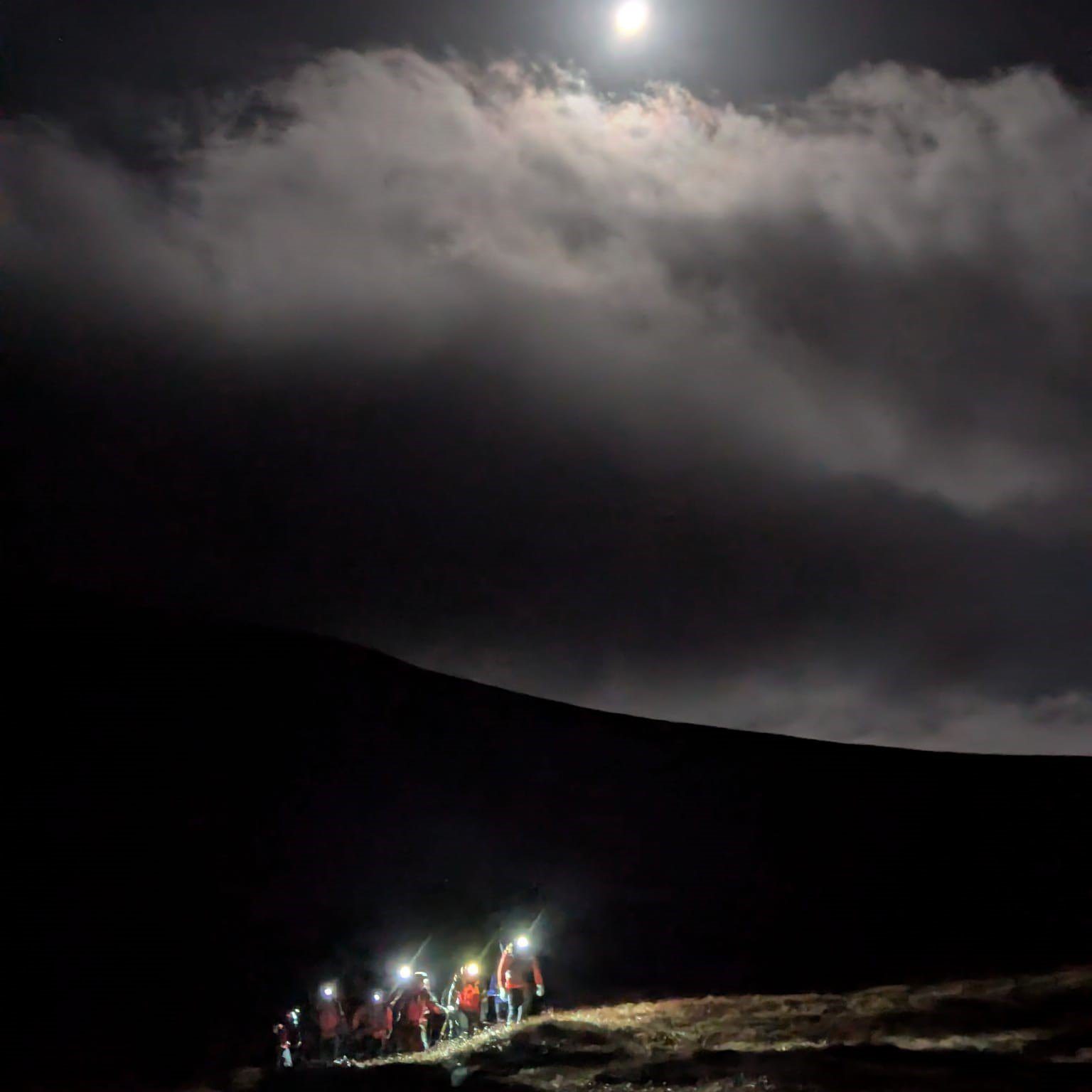
Aberdeen MRT training in night navigation earlier in the month
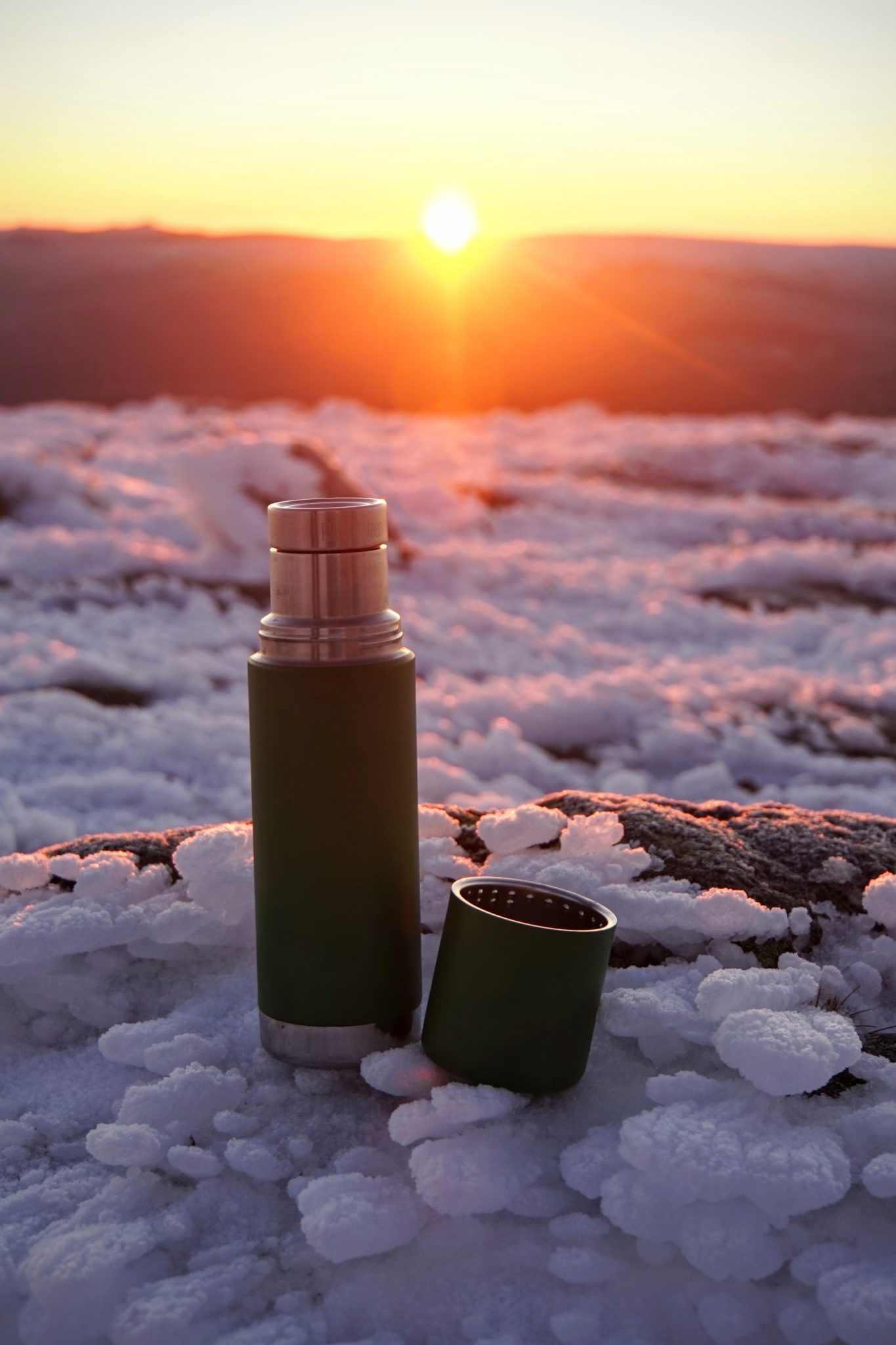
The process of transitioning away from the light summer pack begins. The winter pack is raked out of the shed, an extra duvet jacket and heavier weight waterproof shell is added along with my drybag of spare hat, socks, balaclava and many gloves including a serious pair of mitts. My clear lens ski googles go in (Try using tinted at night in a blizzard?) along with a selection of oatcakes and caramel wafers. The flask is dusted off and my supply of beef-stock cubes and Worcestershire sauce topped up – other hot drinks are available, however I like it and nobody wants to share, even when offered? (The physiological and psychological benefits of a hot drink on a winter’s night far outweigh the effort of carrying it.)
Both headtorches are checked and an extra set of batteries thrown in: the second headtorch is either a spare for me, team-mate, or casualty. The avalanche transceiver is fired up and tested, and the shovel and avalanche probes dusted off, so they are ready when the snow arrives. Winter boots are checked and crampons test fitted with the edges on the spikes and ice-axe sharpened as required. The crampon repair kit – selection of cable ties, a metre of duct tape wrapped round a bottle, and a penknife in my pocket – is refreshed. The snow baskets for the walking poles are hunted down, and the light summer buff swapped for a thicker winter one.
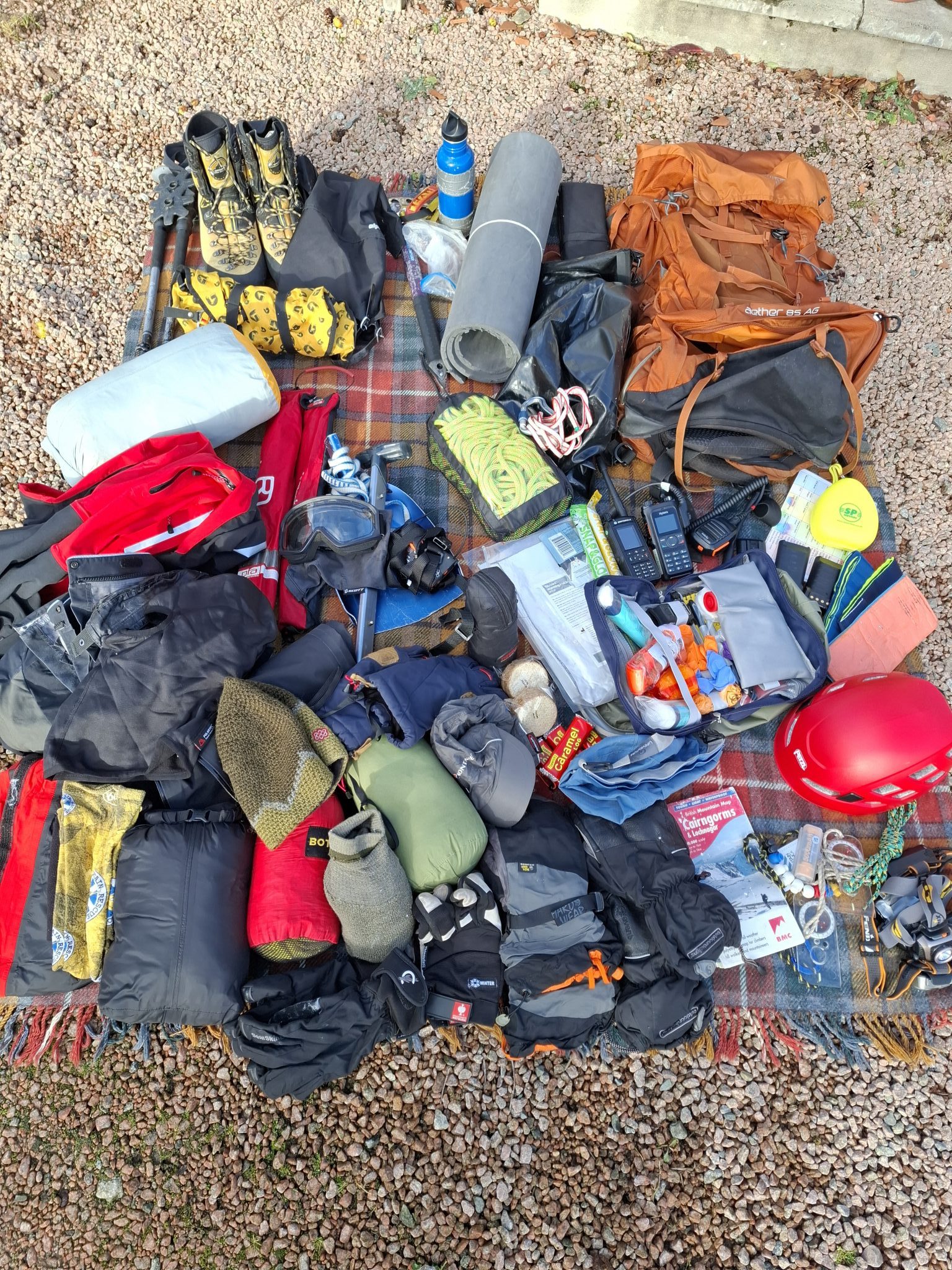
Typical mountain rescue winter pack with kit to look after yourself and a casualty overnight.
Once everything is checked it is methodically packed into the winter rucksack with those items you need most often and/or in a hurry in easily accessible pockets or side straps. (This is especially true of the avalanche probe and shovel, which are always in the same place and able to be taken out and assembled in seconds.)
A short length of roll mat, along with a survival bag and group shelter, can make an unexpected overnight bivvy slightly less unbearable and can be lifesaver for a casualty. While a chemical hand-warmer and couple of heat-pads are just a wee psychological boost or the edge needed in the evacuation of a hypothermic casualty.
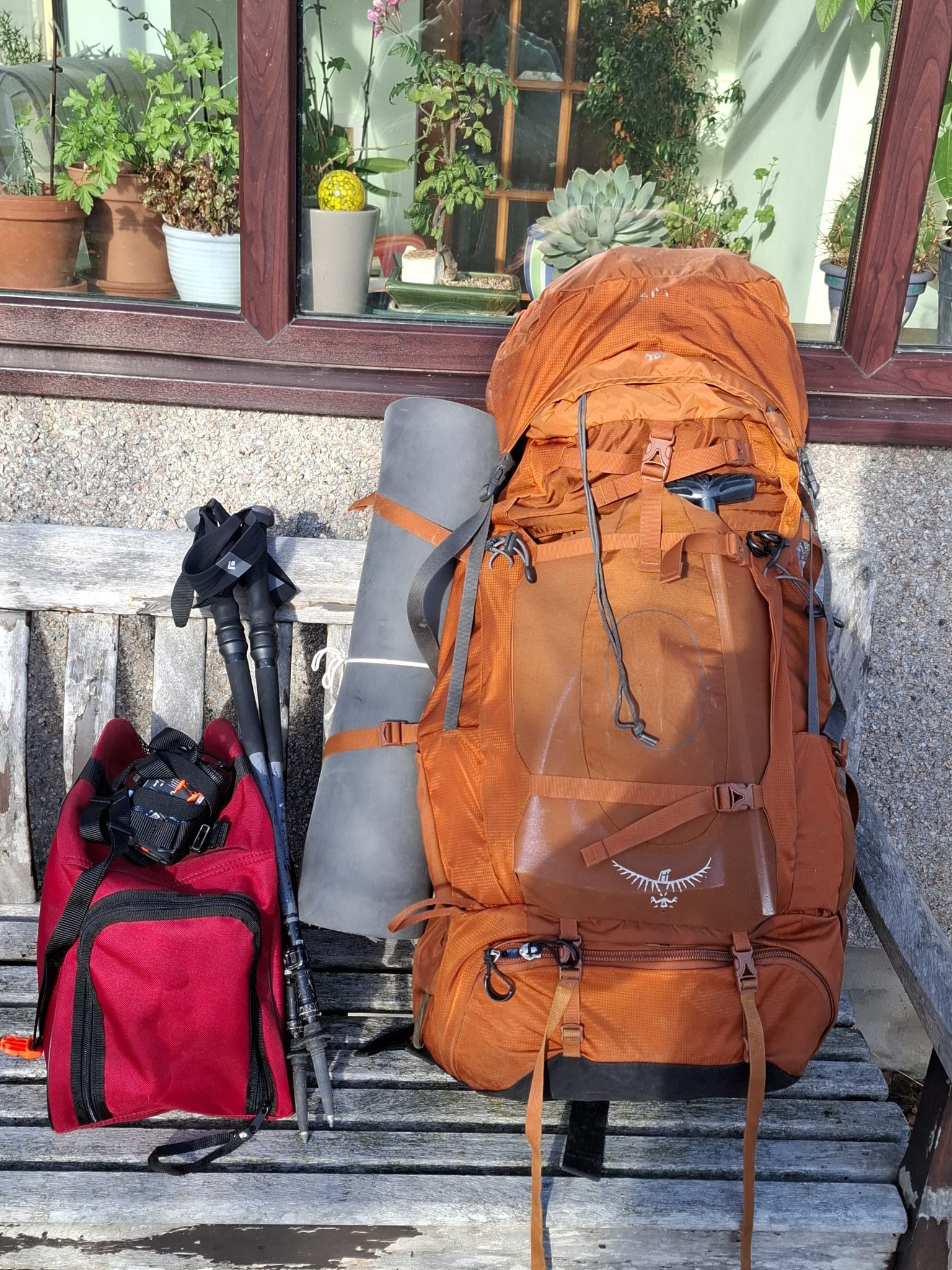
Winter rescue pack with shovel and probe immediately accessible and other key items like headtorch, Casualty Carer’s first aid kit and additional gloves readily accessible.
Not everybody needs to carry a rescue pack and with our more variable winters items come in and out of the pack depending on conditions. However, if I was to highlight one thing, it would be the consequences in winter in the hills are considerably more serious than summer and the question that MUST be in the forefront of your mind is:
“Do I have the gear to survive twenty-four hours on the hill if something gangs wrang?”
Finally, the mountains in winter are spectacular. If you plan and prepare well, they are the best fun you’ll ever have.

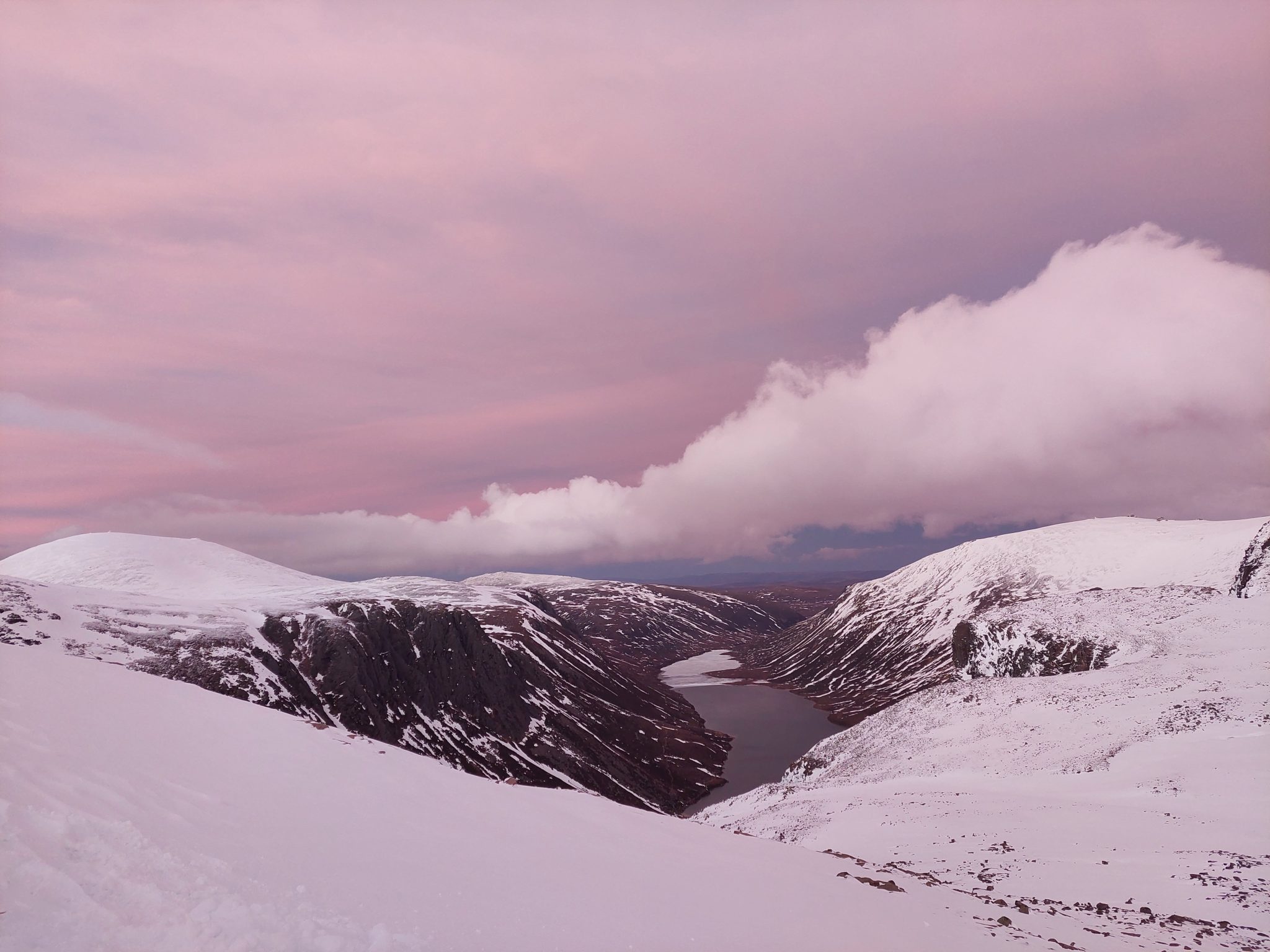
Loch Avon from Garbh Uisge Beag, Caingorm Plateau
Keep an eye out for the launch of our joint Mountain Safety campaign, ThinkWINTER in December – for more safety, skills, inspiration and advice for Scotland’s winter mountains.
If you’re ever in need of assistance in Scotland’s mountains or outdoor spaces, call 999, ask for the Police then Mountain Rescue.