Border Search and Rescue Unit: Rescue across borders
Border Search and Rescue Unit: Rescue across borders
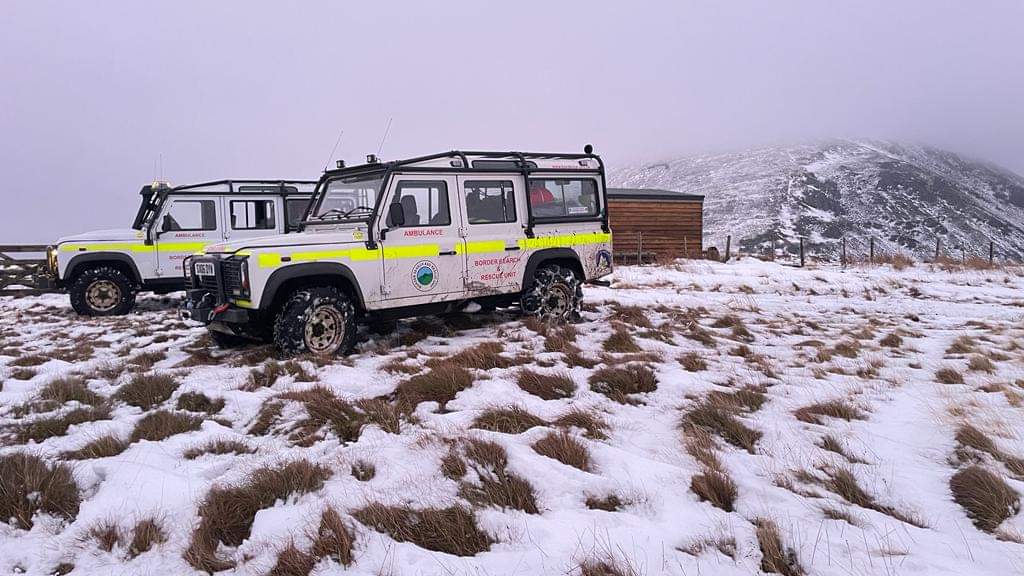
First published in the Spring issue of MREW magazine, we hear from Border Search and Rescue unit (BSARU) about their patch and some of the unique challenges that come from operating across the Scotland-England border.
The Team’s Patch
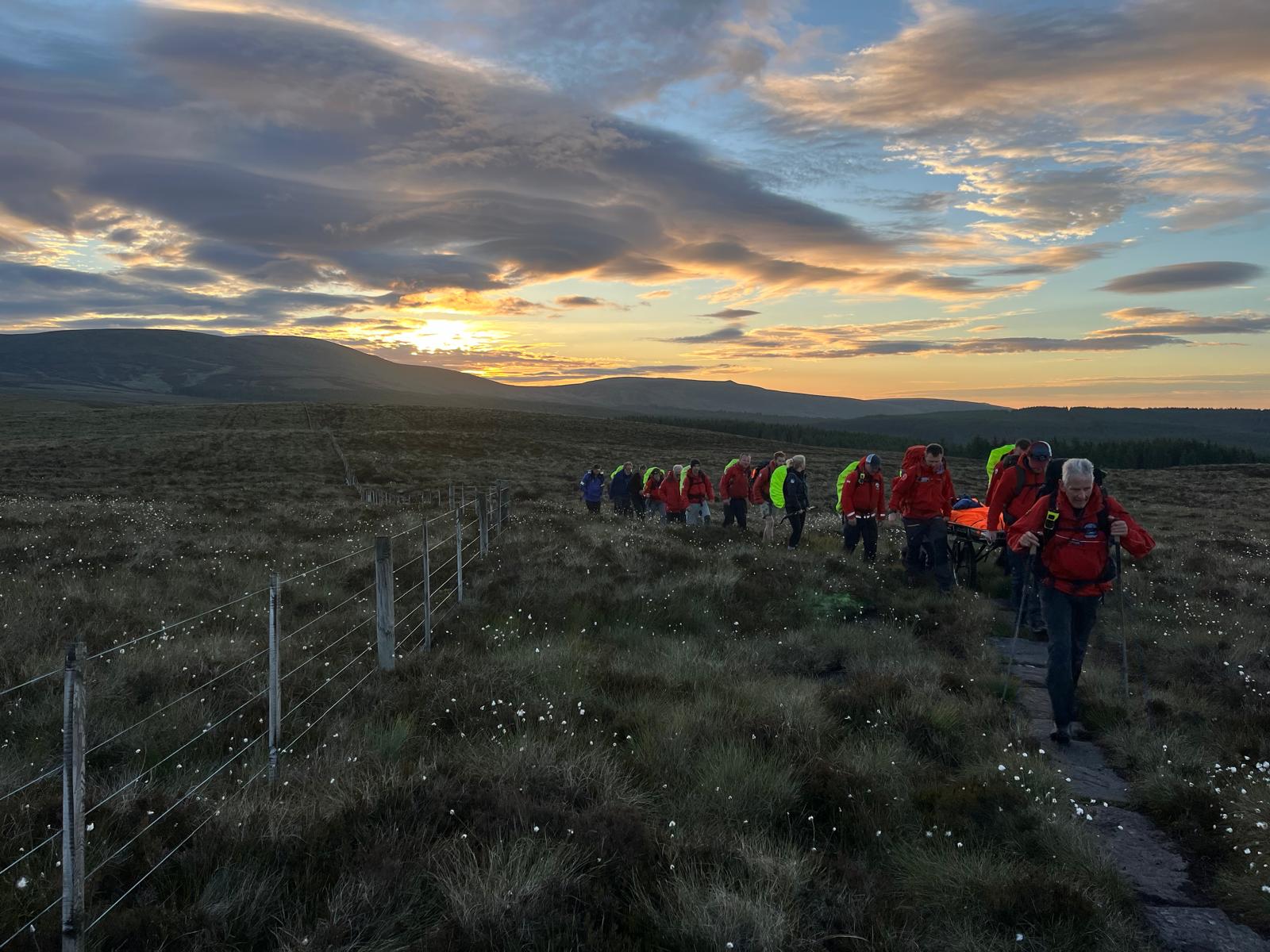
BSARU covers the very south-east corner of Scotland, from the English border up the A68 to Edinburgh, and everything east from there to the coast. Within their patch lie The Cheviots, the Lammermuirs, a couple of renowned salmon rivers and about 75 miles of North Sea beaches, cliffs and dunes.
While not as big as many of the United Kingdom’s higher mountains, topping out at 815m, the Cheviots are remote, almost completely uninhabited, wild, wind-lashed and sufficiently featureless to cause significant navigational difficulty in dark or claggy conditions. Running along the northern edge of the range is the Pennine Way, which for a couple of dozen miles follows the Scotland / England border. This is a popular hiking trail (268 miles in total from Edale in Derbyshire) and, of course, it forms the route for the Spine Race, that is staged in January and June.
Across the Border
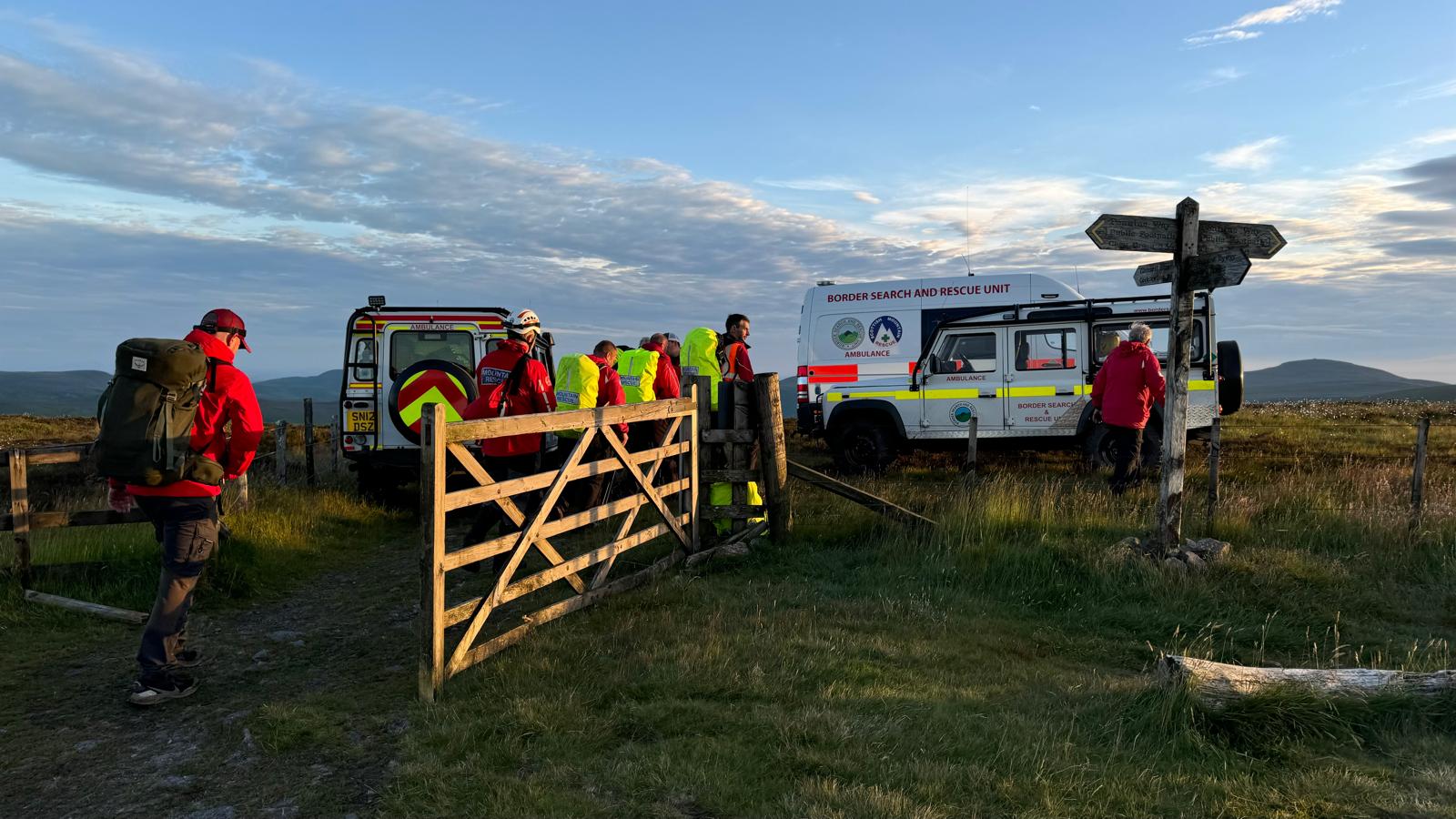
Having a national border as one of the team’s boundaries presents a particular set of challenges and procedural issues that need to be observed when SMR and MREW find themselves working together. Different Police forces can be involved, working with teams from both sides, and there are significant differences between Scots and English Law (e.g. deaths in England are handled by coroners compared to the Scottish Procurator Fiscal), some of which are pertinent to MR. We know that all MR teams in the UK work with neighbouring teams and have developed procedures for working with one another. Over the years, on the Scotland / England border, a cross-border protocol has evolved. The protocol aims to promote the most efficient and effective response between multiple teams from different jurisdictions, and ensures that the casualty receives the best possible care and attention.
The Pennine Way
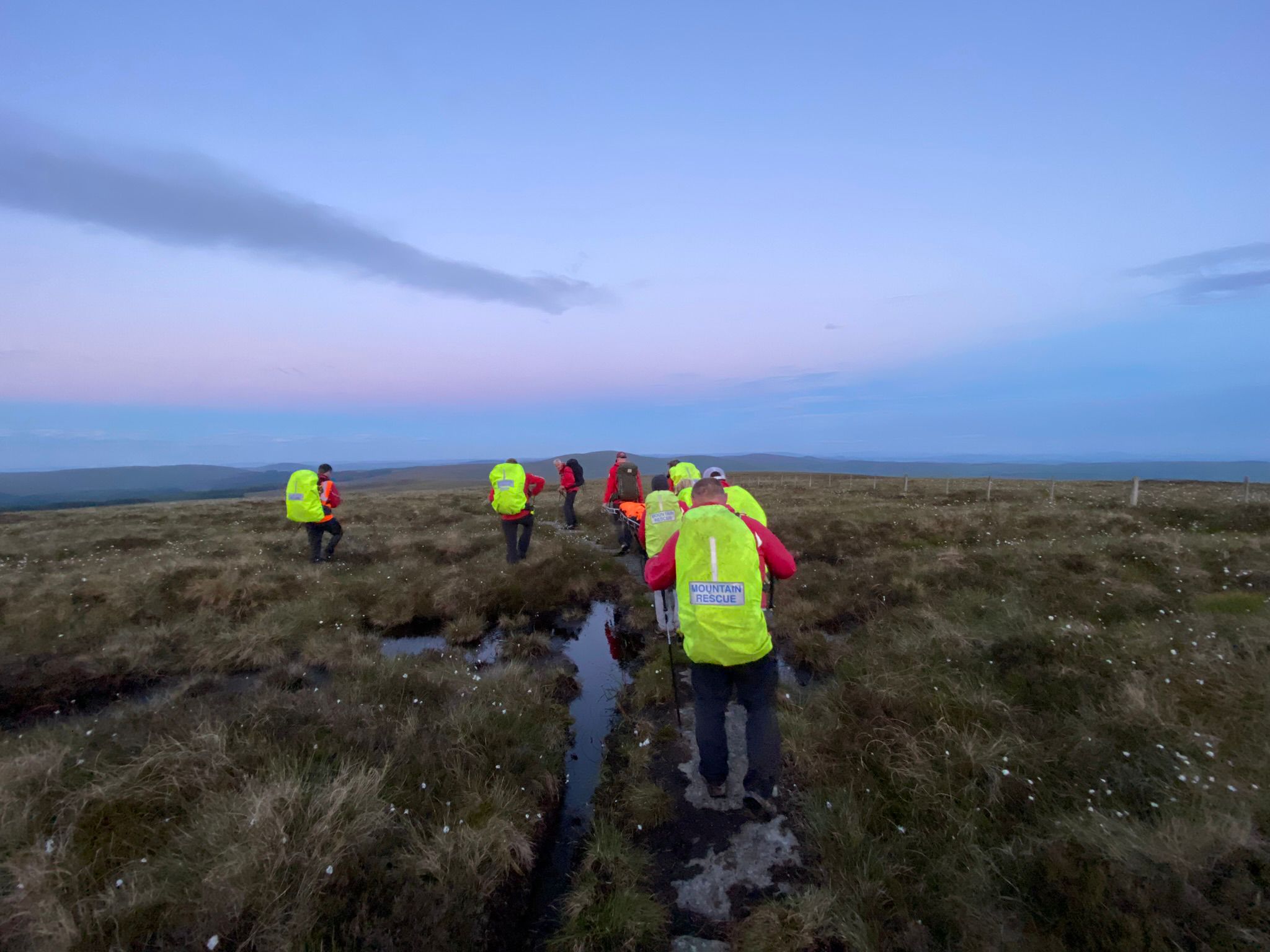
There are stretches of the Pennine Way that, in good ground conditions, can be accessed by a team Landrover from one side of the border, but in poor conditions can be accessed more easily on foot from the other. Over the years, BSARU has been called upon to rescue many ill, exhausted and injured walkers and quite a number of Spine Race competitors. By the time they reach the Cheviots, competitors in the full race have covered about 240 miles over the course of 3 – 6 days, and some are by that stage not in the best of shape. The last 28 miles of the route is all on high hill country, with just a couple of wooden huts in which to seek shelter. Between and either side of these huts, the runners tackle miles and miles of track, paved with the infamous Pennine Way flagstones in parts and horrendously boggy in others, often a combination of both at the same time. Visitors to the Pennine Way will be familiar with the choice between stepping on a flagstone covered by six inches of water or stepping off into peat of indeterminable depth. A flagstone covered in ice is a whole other challenge.
Callout on the Spine Race – Winter 2026
This winter’s Spine race provided a typical rescue for the cross-border teams. A competitor arrived in the Cheviots with a steadily worsening injury. Somewhere between the two huts they became unable to continue and activated the SOS button on their tracker. The race safety team called for MR assistance, and teams from both sides of the border were activated, in line with the agreed protocol. Hasty teams from Northumberland and BSARU reached the casualty together, and after treatment from a BSARU RRMT, they were evacuated in a Northumberland team vehicle to Cocklawfoot, 8 miles up the Bowmont valley on the Scottish side of the border, and from there ferried to the race finish in Kirk Yetholm.

Website: https://www.bordersar.org.uk/
Facebook: Border Search and Rescue Unit
Instagram: @sarborder