The Ochils: Scotland’s Mountain Underdogs
The Ochils: Scotland’s Mountain Underdogs
First published in the Winter issue of MREW magazine, Ochils Mountain Rescue Team member Dan Maltby has put together this fascinating piece discussing the team’s patch, and why the Ochils shouldn’t be underestimated.
Dan writes;
To anyone travelling north towards Stirling, you’ll spot the Ochils long before you realise what they are. A crooked volcanic wall running east to west, they sit quietly behind Stirling like a line of sleeping giants; overshadowed by the postcard peaks of the Highlands just up the road.
From our base in Fishcross, Clackmannanshire (Scotland’s smallest county) we cover a surprisingly large patch: from the Gargunnock Hills in the west, all the way to the Lomond Hills of Fife in the east. It’s a span of more than 40 kilometres of steep corries, deeply carved glens, rolling plateau, and weather systems that can turn from “taps aff” to “whiteout” in half an hour.
Dumyat: Our Poster Boy
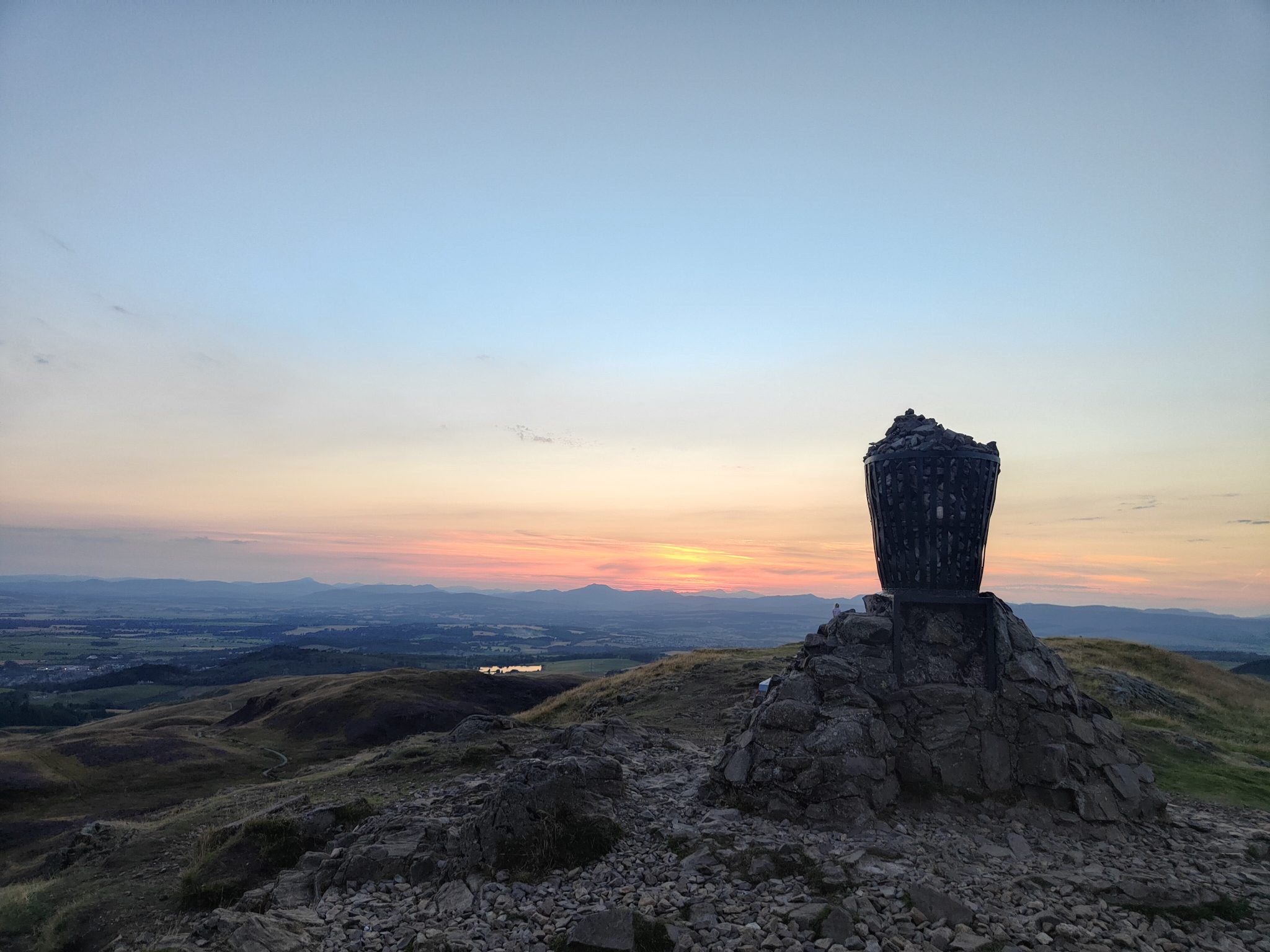
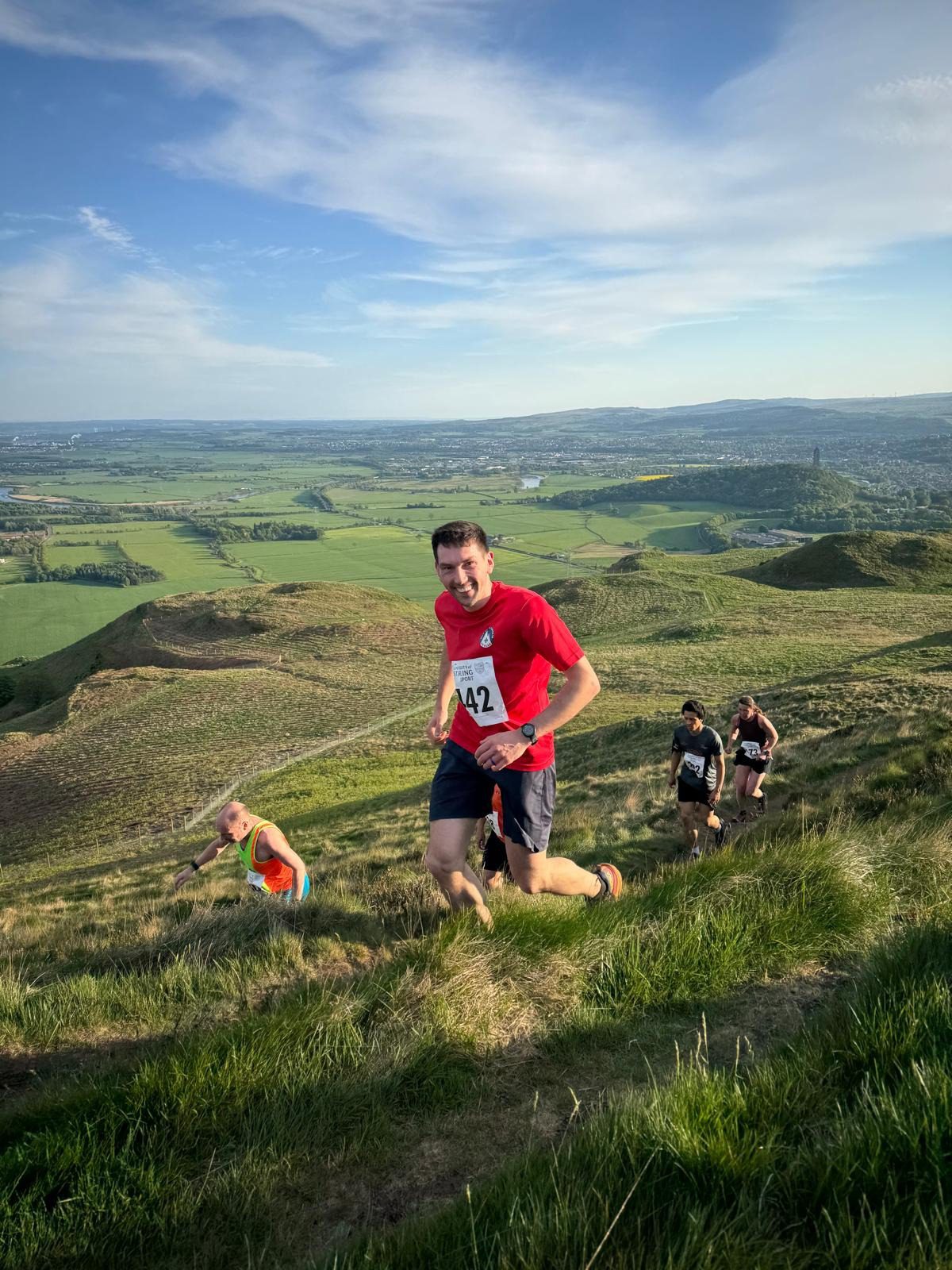
If the Ochils have a celebrity peak, it’s Dumyat. Around 50,000 people climb it each year, making it one of the most visited hills of its height in Scotland. Families, dog walkers, students, mountain bikers, runners; half the Central Belt seems to have been dragged up it at some point.
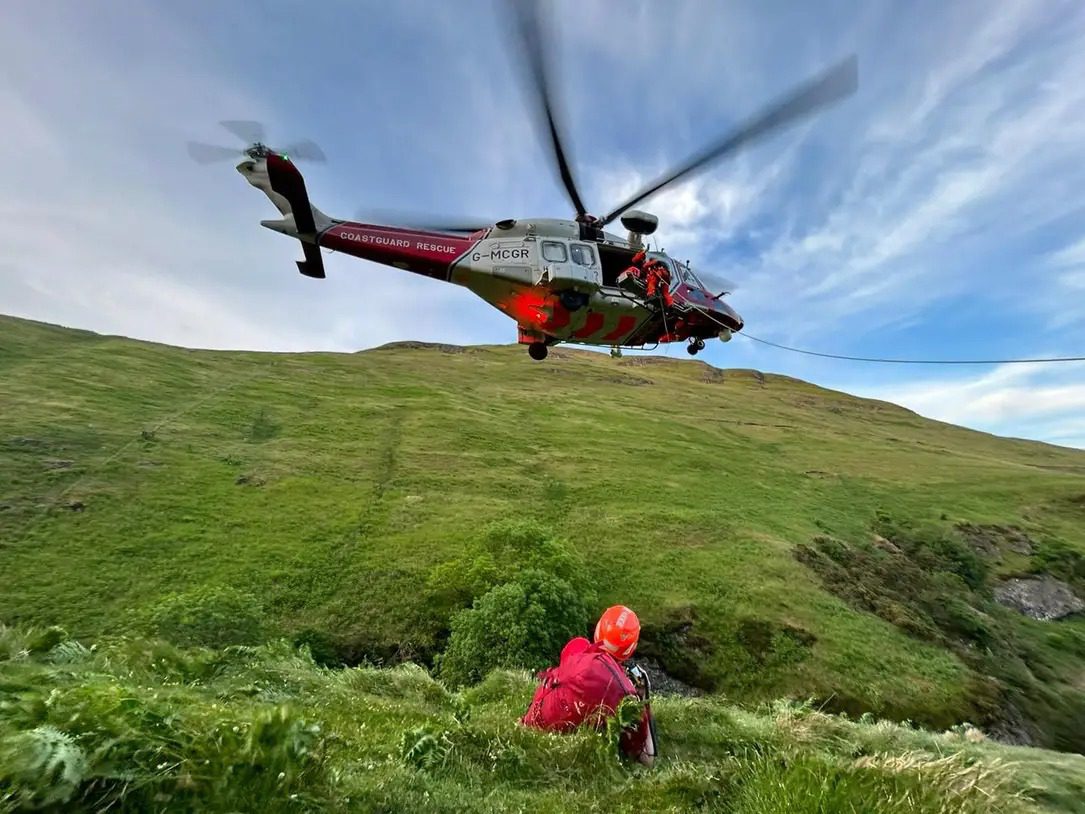
It’s popularity brings pressure. Every year we respond to multiple lower-limb injuries, usually the result of slips on rocky paths or enthusiastic walkers turning up in trainers better suited to the high street than the hillside. Despite its modest 418 metres, Dumyat has seen more than a few helicopter evacuations. When you have a casualty on a steep, awkward section and time matters, altitude is irrelevant; the safest way out is with help from the sky.
Dumyat sums up the paradox of the Ochils: accessible, friendly-looking, yet more than capable of catching people out.
Where the Hills Get Serious
A few miles east and the tone of the landscape shifts entirely. The Alva, Tillicoultry and Dollar Glens; deep, dramatic cuts into the range, are where the Ochils show their teeth.
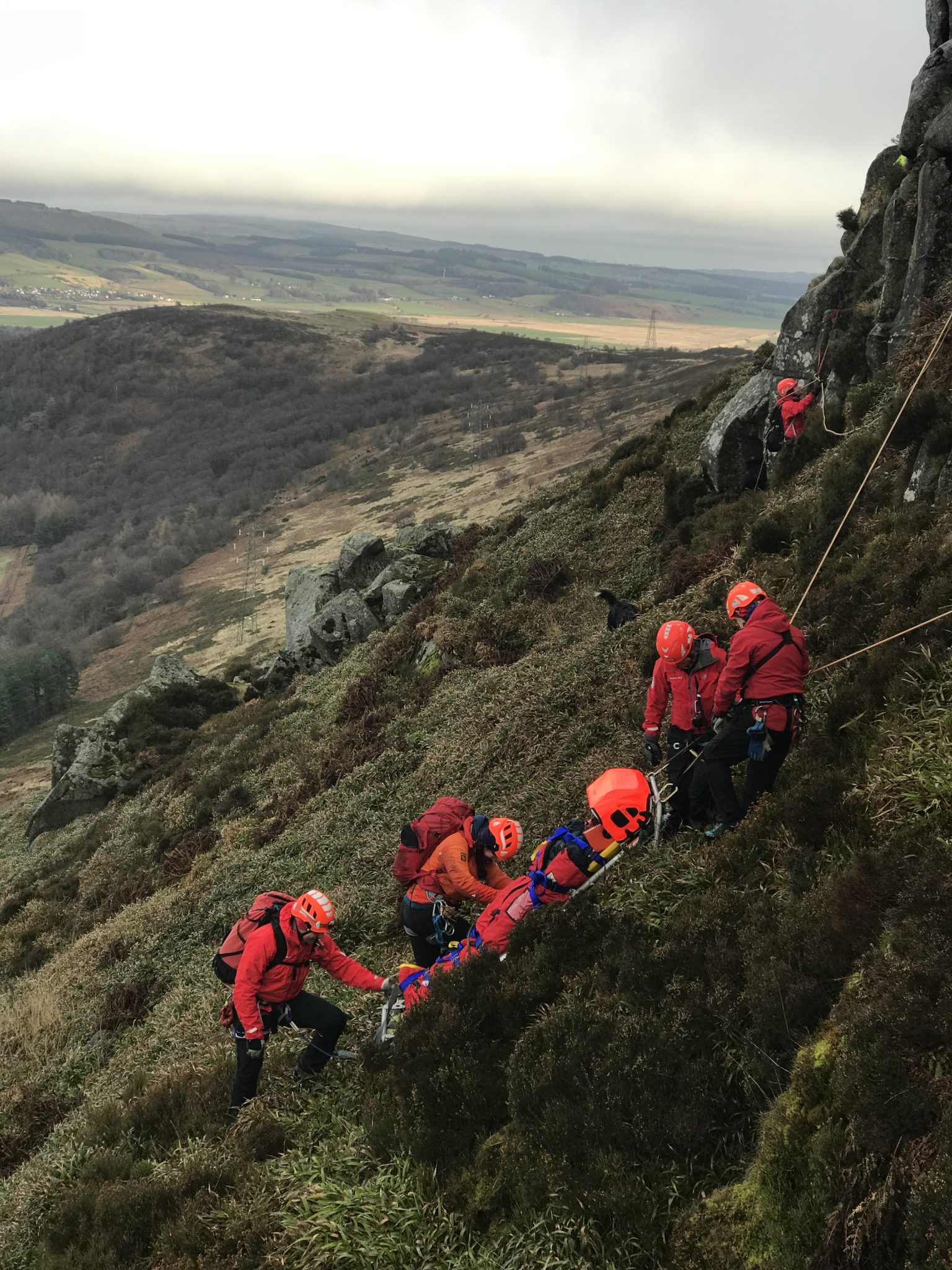
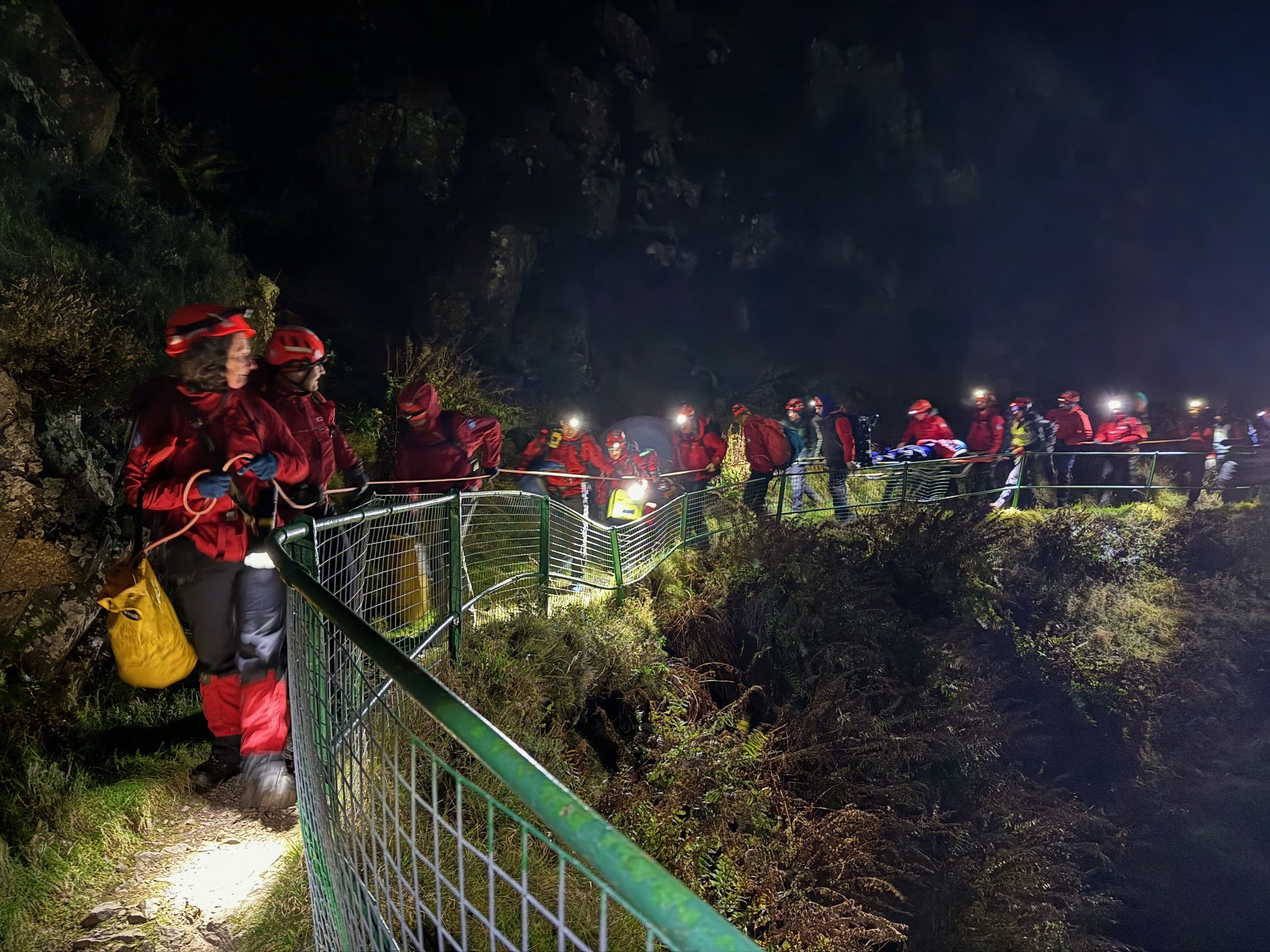
These glens were carved by meltwater at the end of the last Ice Age, leaving behind near-vertical sides, boulder fields, narrow paths, and terrain that funnels wind and water with enthusiasm. They are beautiful, wild places, but they also demand respect. Lower-leg injuries are again our most common callout here, but the extraction is rarely simple. The topography turns a straightforward stretcher carry into a prolonged, technical team effort.
Route choice becomes an art form: too high, and you’re traversing steep uneven ground; too low, and you’re negotiating slick rock and narrow crossings. In all of our glens, it’s easy to underestimate just how challenging a “small Scottish hill range” can become.

Le Plateau
Above the glens lies a broad, rolling plateau. On a clear summer afternoon it can look almost benign; a big green carpet stretching into Fife. But bring in low cloud or late light and it changes character quickly.
The plateau lacks the distinctive navigational features you find in the Highlands. It’s full of gentle rises, false tops, and subtle watershed lines that can lead walkers away from their intended descent without them noticing. Every year we assist people who’ve simply lost the path, missed a turn, or been pulled into a different glen entirely.
On bad-weather weekends, visibility-related incidents outnumber slips and trips.
Why the Ochils Bite Back
Part of the Ochils’ deceptive nature lies in their geology. This is ancient volcanic country; hard, resistant lava flows that have been tilted over millions of years. It’s why the southern slopes rise steeply straight out of towns like Alva, Menstrie, and Tillicoultry, giving the range its distinctive “big wall” appearance.
Steep slopes, hard ground, and quickly changing weather combine to create conditions more serious than first-time visitors expect. The Ochils may lack the altitude of the Highlands, but they share many of the same risks, sometimes compressed into a smaller footprint.
Visit the Ochils
The Ochils overlook the ground where William Wallace rose to fame, and we like to imagine he was a regular participant in the Dumyat Hill Race. They’re historic, accessible and deceptively serious hills. For many, the Ochils is where our love of mountains began. Visit them, respect them, and you’ll discover one of Scotland’s most underrated upland ranges.
~ Dan Maltby, Ochils MRT
Ochils Mountain Rescue | Ochils Mountain Rescue Team
Facebook: Ochils Mountain Rescue Team
Instagram: @ochils.mountain.rescue