ThinkWINTER: Behind the Scenes of Winter Mountain Rescue
ThinkWINTER: Behind the Scenes of Winter Mountain Rescue
Thank you to Mike McLaggan from Tayside Mountain Rescue Team for sharing this thoughtful personal perspective as part of the ThinkWINTER campaign.
Mike McLaggan is the Equipment Officer for Scottish Mountain Rescue and a long-serving member of Tayside Mountain Rescue Team (MRT), with decades of experience in Scotland’s winter hills. From festive-season callouts to multi-day searches, Mike has seen first-hand how winter conditions can transform Scotland’s hills – and how often incidents could be avoided with better planning and preparation.
In this interview, we hear from Mike about what he sees year after year behind the scenes of winter rescues, the challenges faced by volunteers, and the small but vital decisions that can make a big difference to outcomes. Before you head out this winter, take a moment to pause, prepare and ThinkWINTER.
What first motivated you to join mountain rescue, and how long have you been a volunteer with Tayside Mountain Rescue Team?
Mountain Rescue Team (MRT) members are all keen mountaineers and it’s this kindred spirt that inspires many of us to help out and to give something back to the community. I am now in my second stint as a team member initially joining Tayside MRT 23 years ago.
When a winter callout comes in, what happens behind the scenes for you – both practically and personally?
In Winter our preparation goes up a notch as well that sense of urgency. As an MRT member and Winter Mountaineer I have a constant eye on the weather picture as well as the snow and avalanche conditions both in our area and nationally. There definitely is a change to my approach and I switch to Winter mode in terms of kit readiness and what I have packed ready to go. Also carrying extra equipment which may be needed to give to a casualty when we get to them. I have certainly handed out dry gloves , a hot drink from a flask and a decent torch to help people down the hill.
Sometimes it can be difficult especially around the festive season if a call out comes in and we drop things to attend. Many people get together during this holiday period and arrange trips which sometimes can be hastily planned. I always think it’s great that people want to go out but should consider all eventualities as MRT teams and other emergency services are generally more stretched at this time of year.
What might a ‘typical’ winter callout look like in Tayside MRT’s patch, and how do winter conditions change the nature of rescues compared to summer?
That sense of urgency does prevail in my mind during winter. Like all teams we have popular mountain areas where people do get into bother and in the Winter months these can be far more challenging in terms of the rescue. The onset of Hypothermia is far quicker in winter especially in if the casualty is wet and cold.
Can you describe a particularly challenging winter rescue, or the types of winter incidents you find most demanding?
Multi day winter mountain searches are particularly challenging both in terms of the terrain and changing weather. It can be very physically demanding searching difficult ground where sometimes keeping the team safe takes priority. Without a successful conclusion a big search can also take a mental toll on team members longer it goes on.
From your experience, what are the most common reasons people need help in winter, and are there patterns you see year after year?
Sometimes it’s under estimating the challenge that lies ahead and a lack of understanding of winter mountain conditions. Remember everything takes longer due to snow , ice , weather , navigation / route finding and difficult terrain. Time and lack of daylight hours is a big factor I have been on rescues where people have treated a winter hill in the same way as a summer ascent not fully appreciating and preparing for the additional challenges that come with it. Quite often we hear that the casualties are well equipped but in reality they are kitted out for summer conditions. Clothing and footwear has to be winter rated and specific winter equipment has to be carried and people need to know where and how to use it.
When the team reaches a casualty in winter conditions, what are the immediate priorities to keep them safe and prevent the situation worsening?
In Winter by definition it’s colder and it means people get wetter and colder quicker. Self-reliance is critical in these conditions and casualties should try and get themselves or group members into a group bivi shelter / bag with extra clothing ASAP. At base, Mountain Rescue assemble, and a plan will be made to get a team safely to the casualty site based on the conditions. Once a team gets there casualty stabilisation and medical assessment will take place with an evacuation plan made. Team and patient safety will be paramount during this time with the casualty either being transported , carried or escorted off the hill.
What are the key things people should consider when planning a winter day in the Scottish mountains?
Before venturing anywhere stop and think about every consideration:
Ability – Experience , Fitness ,knowledge, medical issues.
Judgement – If it doesn’t feel or look right it usually isn’t , be prepared to change or alter plans.
Time – How long will it take ? In reduced daylight hours leave early to give yourself a safety margin and think about road conditions. If there is snow lying any mountain trip will take longer and will be harder going !
Route / Mountain choice – Even reasonably easy summer mountain trips can in winter become very serious especially on steep and rocky terrain.
Emergency Plan – leave your plans with your family and think about “what if “ , have that in your mind. Know what do and who to contact in an emergency. Be aware that you may not always get a phone signal.
Precipitation (Rain and Snow) – Snow can fall and lie at around 2 deg C , so it might be 8 deg C and raining at the car park but could be snowing up on the mountain. In addition, lots of rain or snow melt can make even small burns / rivers impassable.
Temperature – It’ll be very cold , it gets around 1 deg C colder for every 150m of ascent and that doesn’t include wind-chill effect.
Wind – Winds can be double plus at 900m compared to sea level and can accelerate depending on terrain. You may struggle to move in an 70mph headwind and could be blown over at 80 mph.
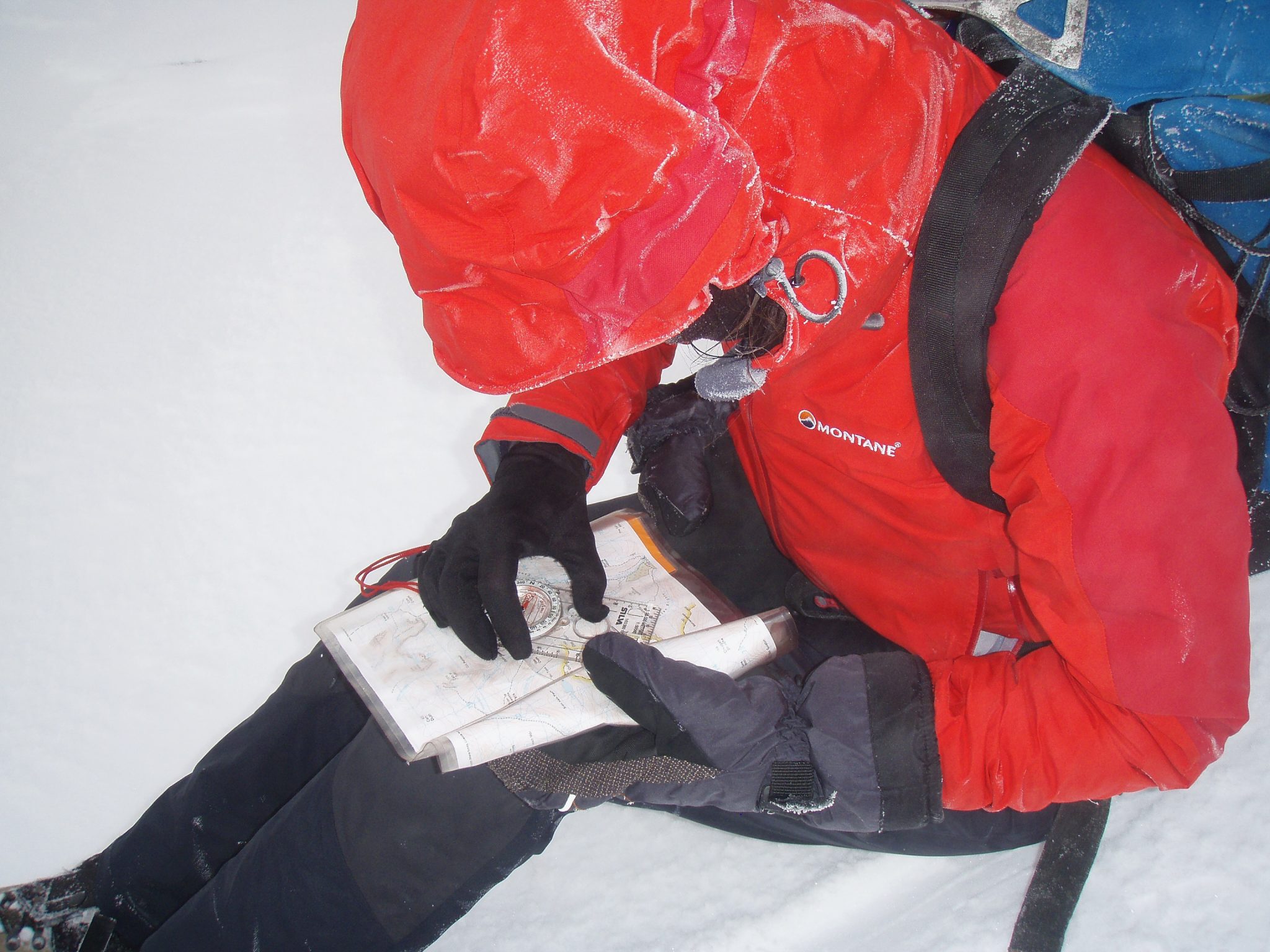
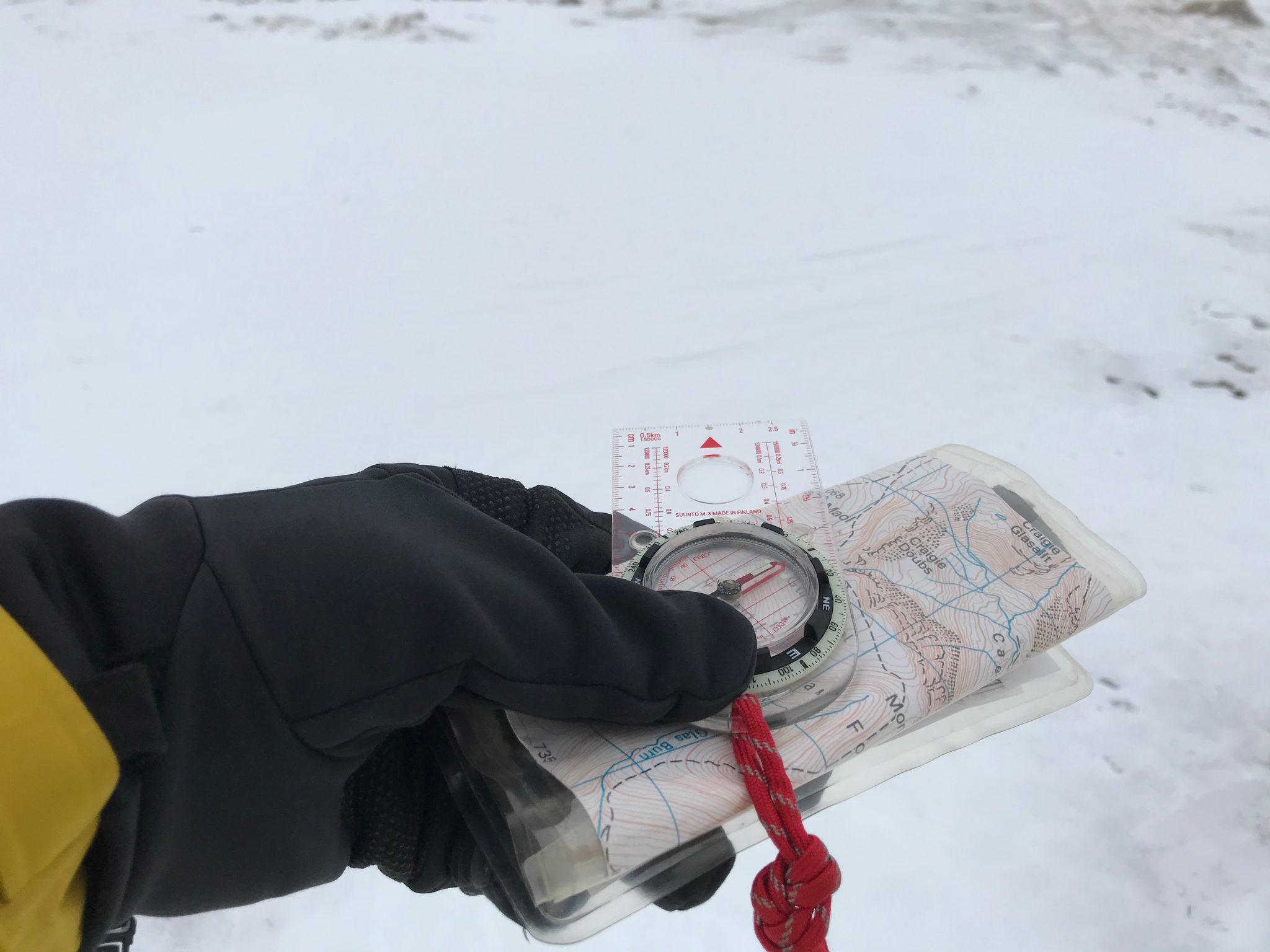
Poor Visibility – Imagine driving in the fog in the dark without any road in front of you ! In poor visibility you need to have the ability to navigate when the only thing you can see is your compass and your feet. In winter the term “white out” can become reality.
Avalanche – Yes in Scotland avalanches do happen and people can and do trigger them. The consequences of being avalanched are very severe. Therefore, good route selection and avalanche awareness are crucial in winter.
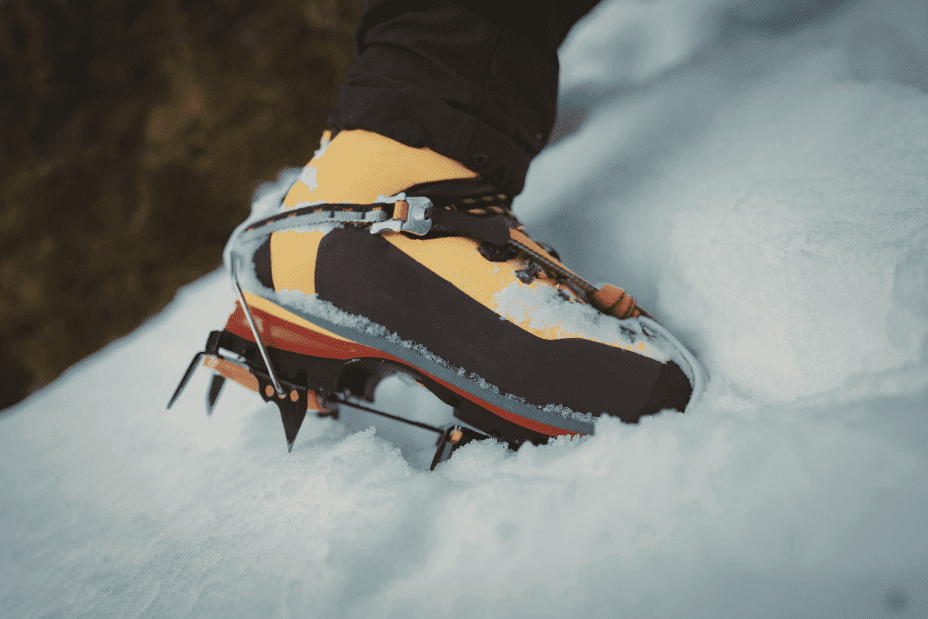
Clothing / Footwear / Equipment – Considering everything above , proper winter mountain clothing, equipment and crampon rated boots need to be used. Other equipment such as ice axe , crampons , ski poles and extra emergency use items need to be carried. The cold affects battery life so a phone can’t be relied on for navigation therefore a waterproof map and good compass are essential tools. What people carry is a personal thing and list is non-exhaustive but self-reliance is key in winter as a rescue team may take a while to get to a casualty.
Getting Information – Use guidebooks , local info and internet for information. Keep up to date with what’s going on as lots of information is available. There are plenty of High Street and internet clothing / equipment suppliers who will provide advice of what is the best for you. In addition, training can be provided by qualified instructors for all levels of experience.
Essential information – Can be found on these sites below and are updated regularly to give people good information.
Scottish Mountain Weather – https://www.mwis.org.uk/forecasts/scottish
Scotland Avalanche – https://www.sais.gov.uk
Scotland Road Conditions – https://www.traffic.gov.scot
Flooding / Rivers – https://www.sepa.org.uk
Mountaineering Scotland – https://www.mountaineering.scot
Scottish Mountain Rescue – https://www.scottishmountainrescue.org
Tayside Mountain Rescue – https://taysidemrt.org
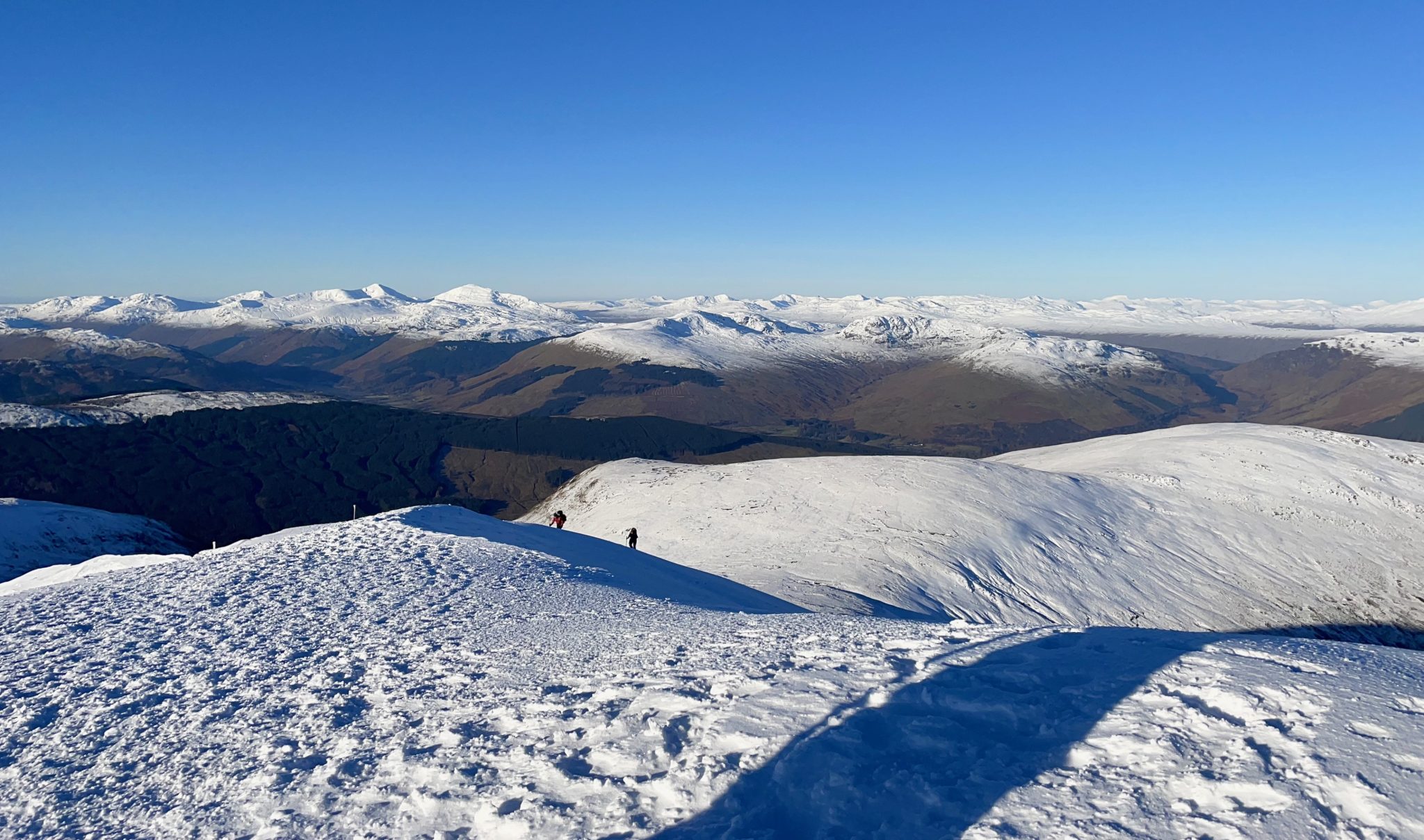
Decision-making is often critical in winter. How important is the decision to turn back, why can it be difficult for people to make, and are there warning signs that should prompt a reassessment?
There has to be an understanding that climbing hills especially in Winter comes with risks! In any mountain activity the risk of accidents and incidents can never be eliminated but if some prior planning and preparation is done, these risks can hopefully be reduced. Good decision making , experience and judgement are crucial and if things aren’t going according to plan then be prepared to change. I have changed plans lots of times sometimes in the car or on the hill. In winter, running out of daylight , poor weather , injury , illness and changing mountain conditions are things that do happen and should be dynamically reassessed during the day. If in any doubt just turn back and come back some other time.
Do you have a message for people heading out on their first winter hill day?
If possible go with people with lots of experience and mileage under their belt. Sample the hills in summer conditions first and then in winter build up slowly – tackling routes that improve your skill levels and confidence. Learn, enjoy and improve your knowledge of the different winter conditions that you will endure.
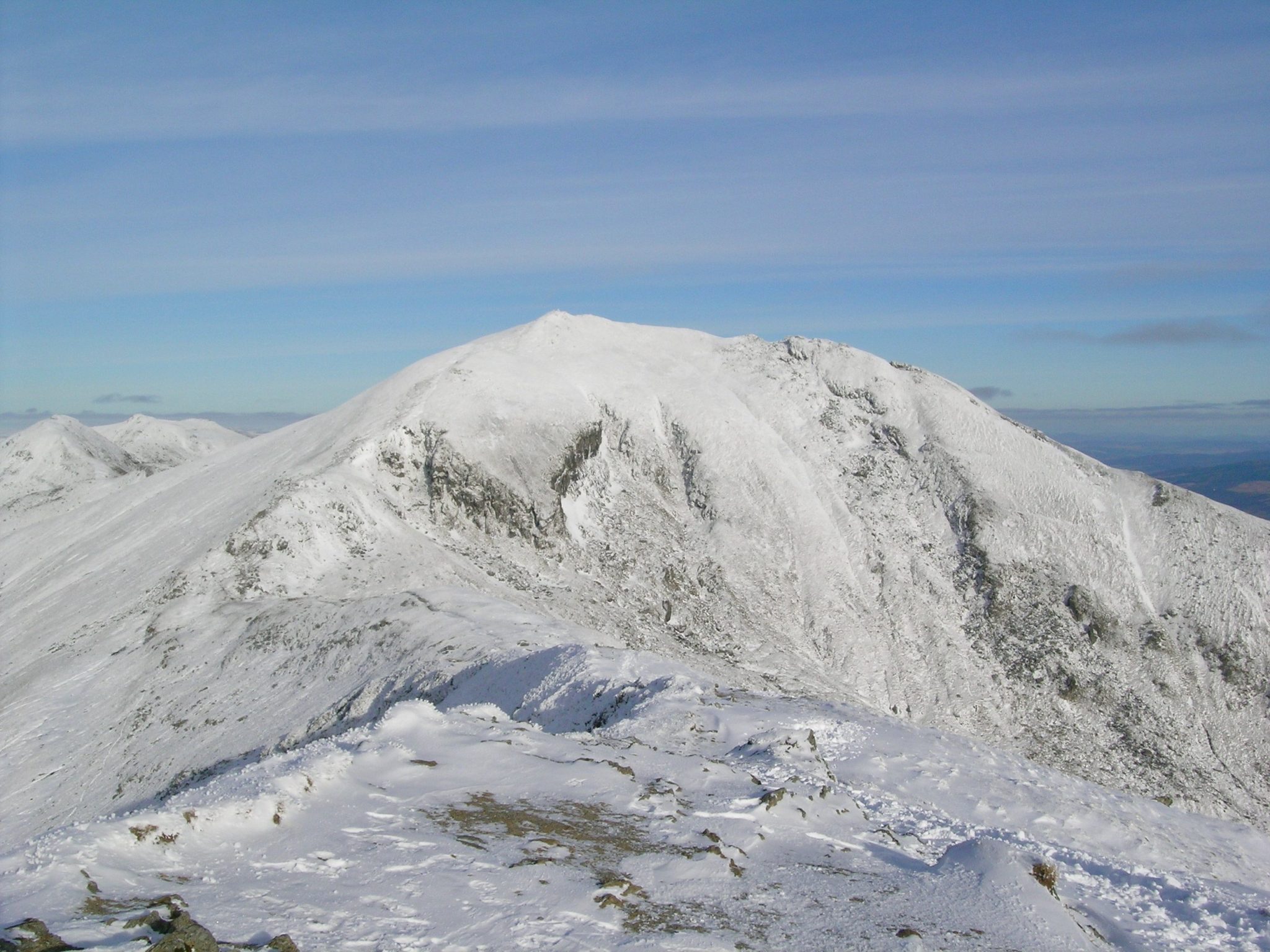
What keeps you volunteering, even through long and challenging winter rescues?
I’m speaking personally but sure other will think the same. It’s very much about using your own experience to help others which in some occasions can be the worst day of their life. It’s also about giving something back to the environment which has given me so much over the years. I take my hat off to my fellow team members who do this important work in such a selfless manner.
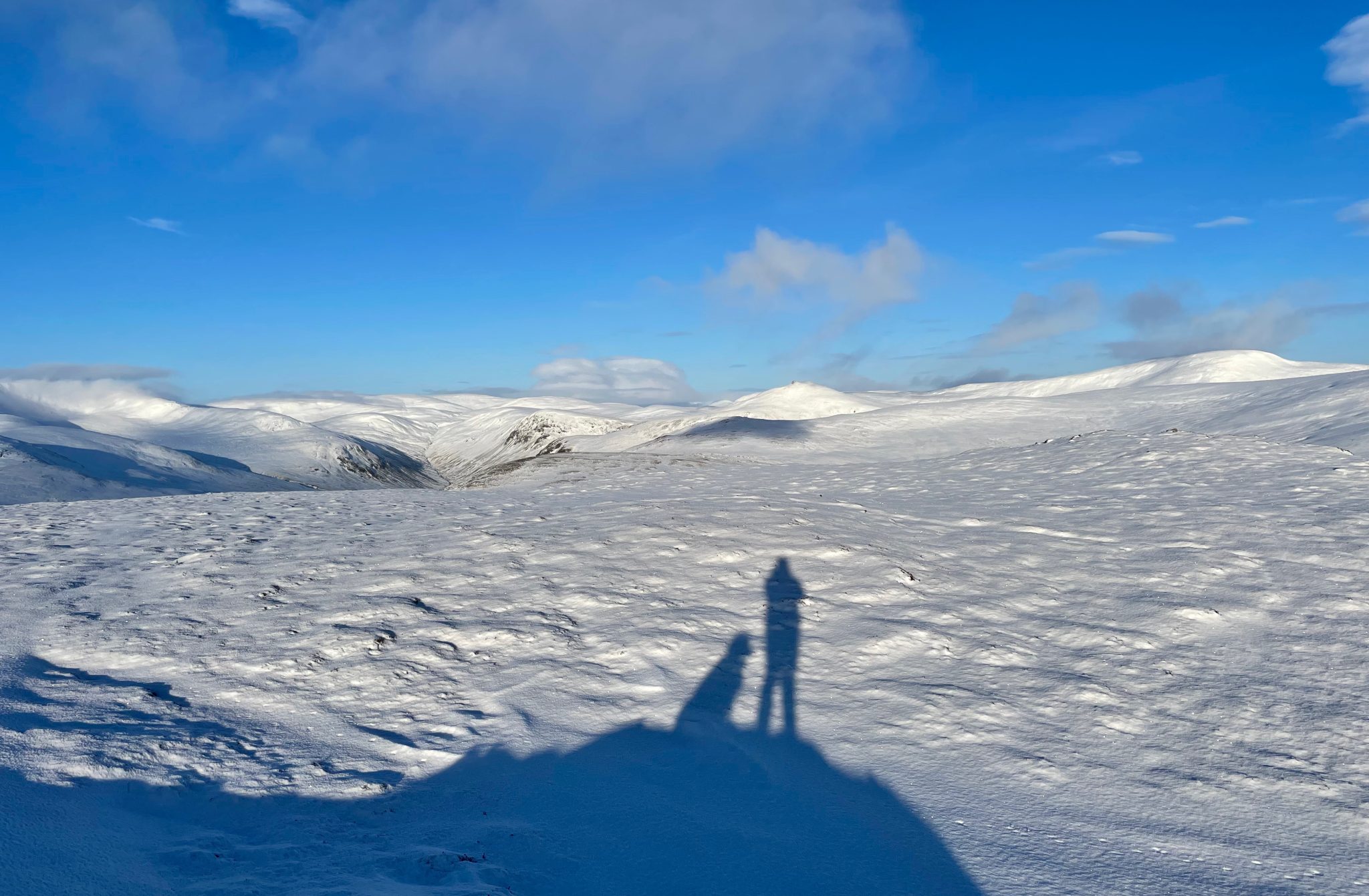
For more resources on how to plan for winter in the hills, have a look at our joint Mountain Safety campaign, ThinkWINTER.
If you’re ever in need of assistance in Scotland’s mountains or outdoor spaces, call 999, ask for the Police then Mountain Rescue.